
How to Choose an Enterprise Security & Cloud Partner in the Philippines: CIO Checklist
Selecting the right enterprise security and cloud partner in the Philippines requires looking beyond vendor brochures and evaluating how well a provider supports real-world operations. For CIOs and IT managers balancing modernization goals, data privacy rules, and lean internal teams, a trusted partner should act as a long-term advisor rather than a one-time transaction vendor. The most effective technology relationships combine local engineering responsiveness, tailored architecture fit, and dependable lifecycle support from initial design through daily operations and incident recovery. At Macrologic Diversified Technologies, Inc., we work alongside enterprise IT leaders to align infrastructure, security, and managed services with practical day-to-day operational demands.
Data Privacy Act & 72-Hour Breach Readiness in the Philippines: Year-End Business Checklist
As the year winds down, Philippine businesses are closing out annual audits, reviewing vendor contracts, and setting technology and security budgets for the coming year. At the same time, data protection remains a top priority under Republic Act No. 10173 (the Data Privacy Act of 2012) and National Privacy Commission (NPC) oversight. Strong email habits, solid passwords, and reliable backups are vital—but without connecting those controls to breach readiness, access governance, and data residency, organizations can still face compliance gaps and costly disruptions.
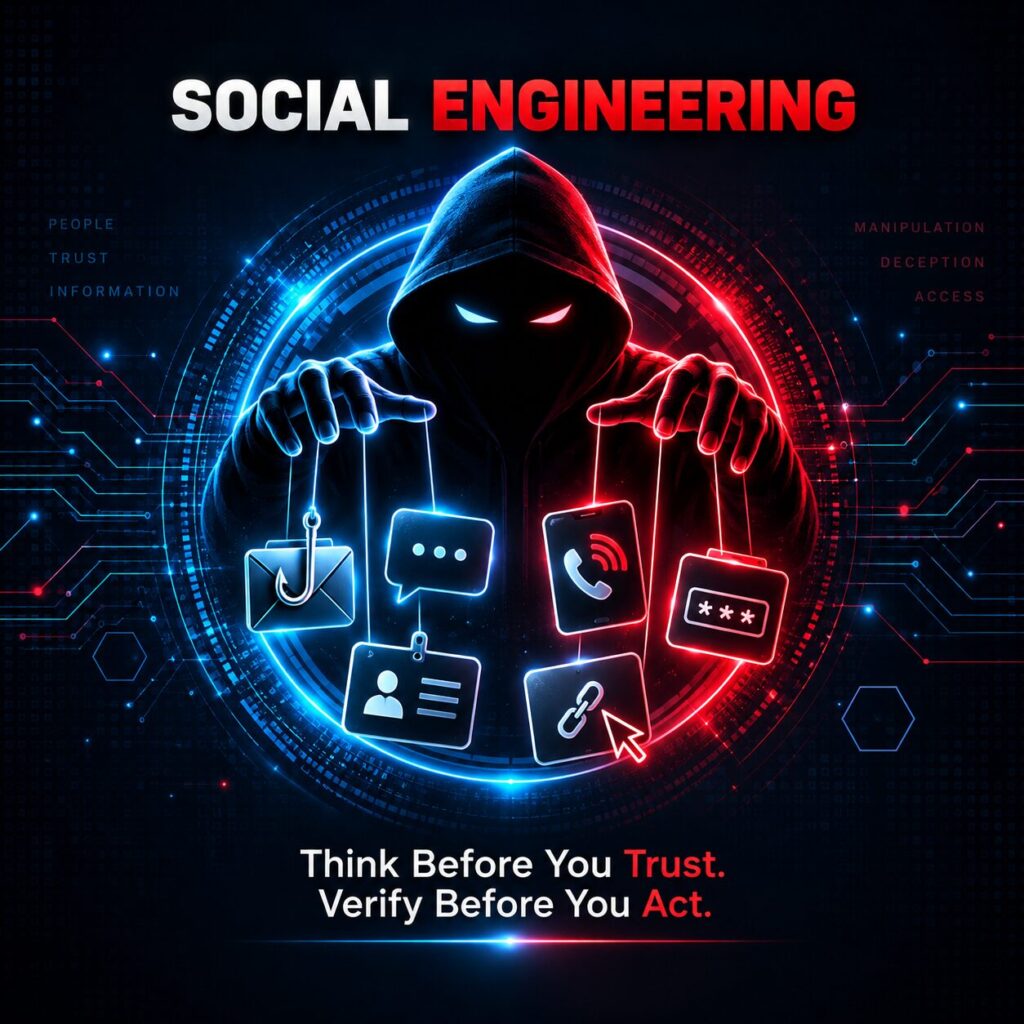
How to Spot and Prevent Social Engineering Attacks in Philippine Businesses
Passwords are the first line of defense against unauthorized access to personal and company accounts. Weak, reused, or improperly stored passwords can expose sensitive information and increase the risk of cyberattacks. Recognizing warning signs—such as unexpected verification codes, unfamiliar login alerts, and unauthorized password-reset emails—helps prevent further damage. Strong passwords should contain at least 12 characters and combine uppercase and lowercase letters, numbers, and symbols. Using unique passwords, enabling multi-factor
Strong Password & Account Security: How Businesses Prevent Credential Takeovers
Passwords are the first line of defense against unauthorized access to personal and company accounts. Weak, reused, or improperly stored passwords can expose sensitive information and increase the risk of cyberattacks. Recognizing warning signs—such as unexpected verification codes, unfamiliar login alerts, and unauthorized password-reset emails—helps prevent further damage. Strong passwords should contain at least 12 characters and combine uppercase and lowercase letters, numbers, and symbols. Using unique passwords, enabling multi-factor
Email Security & Phishing Prevention: How to Spot Deceptive Business Emails
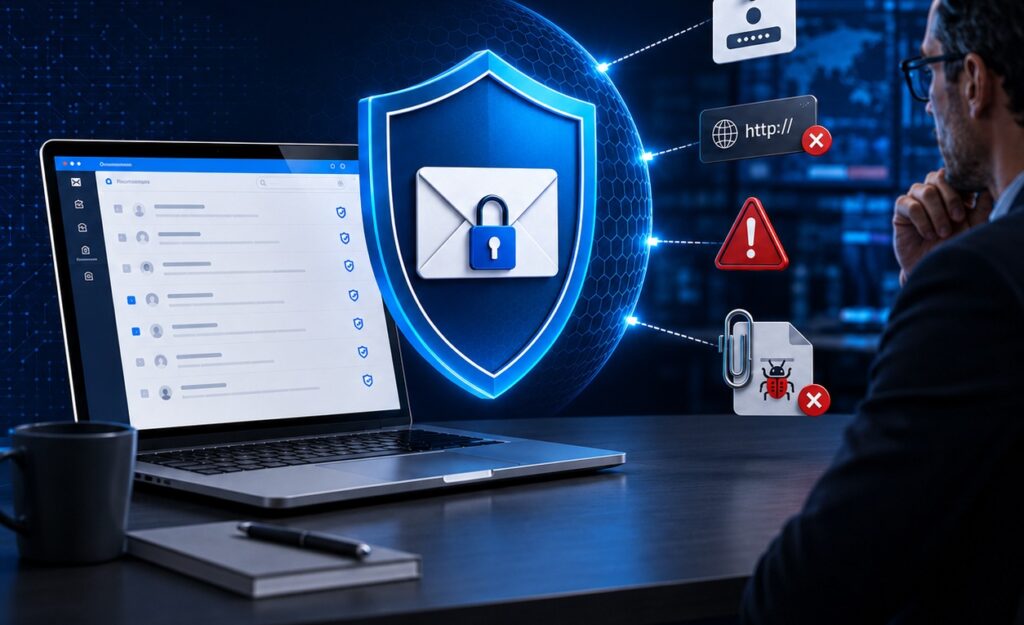
Protect your email by staying alert to phishing attempts, fake links, malicious attachments, and impersonation messages. Always verify the sender, especially when an email requests passwords, OTPs, sensitive information or urgent payments.
Automated Backup & Disaster Recovery: How to Cut IT Downtime Costs
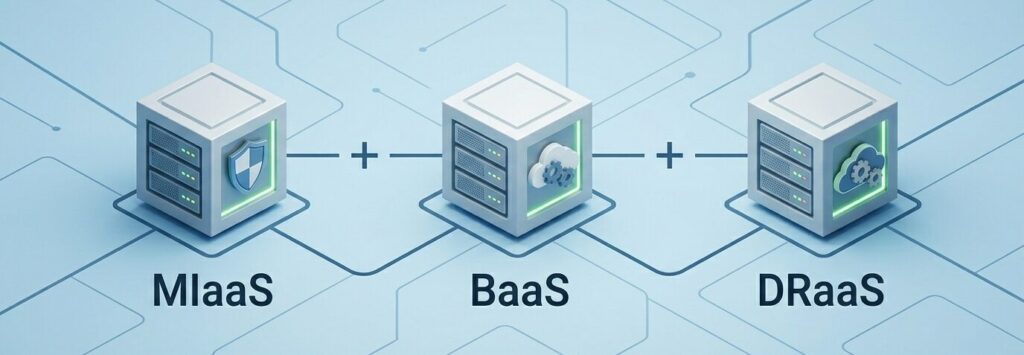
To survive in a hostile threat landscape, organizations must move away from legacy, manual backups. Modern business continuity requires an integrated, enterprise-grade strategy: combining Macrologic Infrastructure as a Service (MIaaS), Veeam Backup as a Service (BaaS), and Disaster Recovery as a Service (DRaaS)
Sovereign Cloud in the Philippines: Why Businesses Need Local Infrastructure & MIaaS
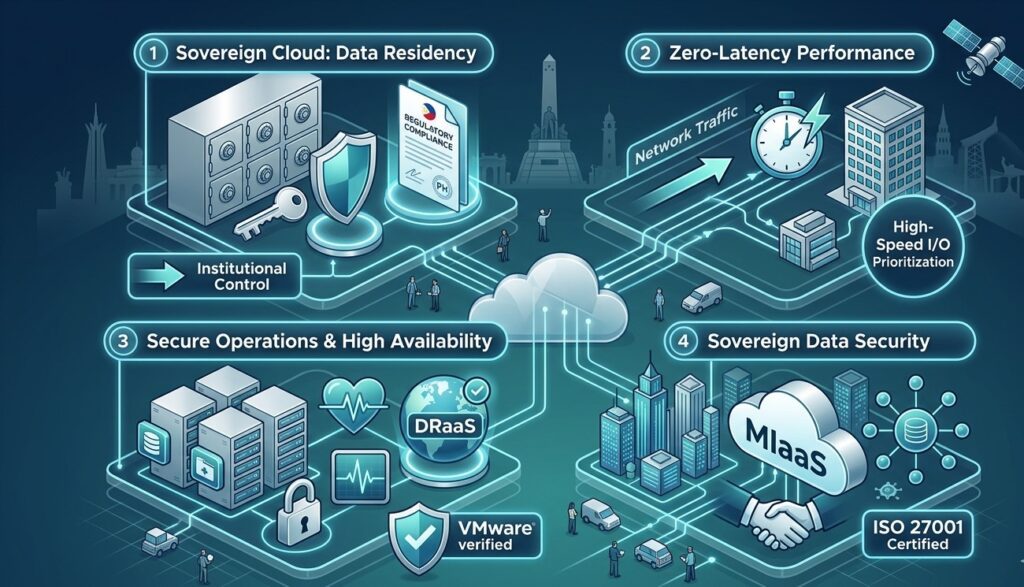
This shifting environment is exactly why businesses are migrating to specialized local clouds. MIaaS (Macrologic Infrastructure as a Service) pioneers this exact space in the Philippines, combining enterprise-grade technology with strict sovereign compliance
Why Cybersecurity Drives Business Growth: Risk Reduction, Uptime & Trust
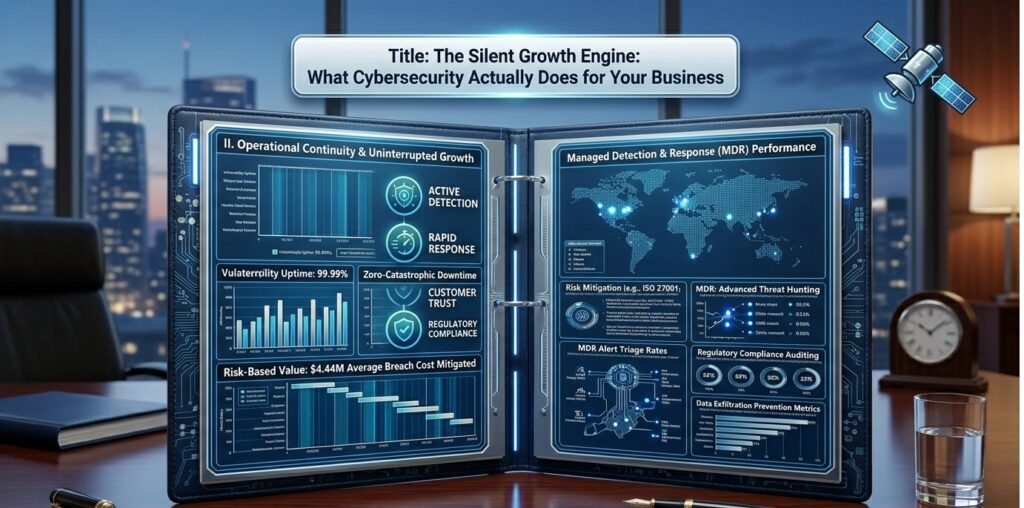
Cybersecurity suffers from a unique paradox: when it works perfectly, nothing happens. Like a seatbelt, its value is invisible until a crisis hits.
5 Top Cyber Threats in the Philippines (2026) & How Businesses Stop Them
The digital landscape in the Philippines has shifted. While 2025 saw a drop in “random” scams, 2026 is the year of targeted, high-stakes digital warfare.